














Braj 40-Day Holi Celebrations Ignite a Fearless Cultural Revival
New Delhi [India], January 24: The Braj 40-day Holi celebrations are back, louder and longer than anywhere else on the planet. This is not a festival sprint. It’s a cultural marathon, and Braj runs it with swagger. Holi, But Make It Forty Days Even in most parts of India, Holi comes, bursts into colour, and [...]

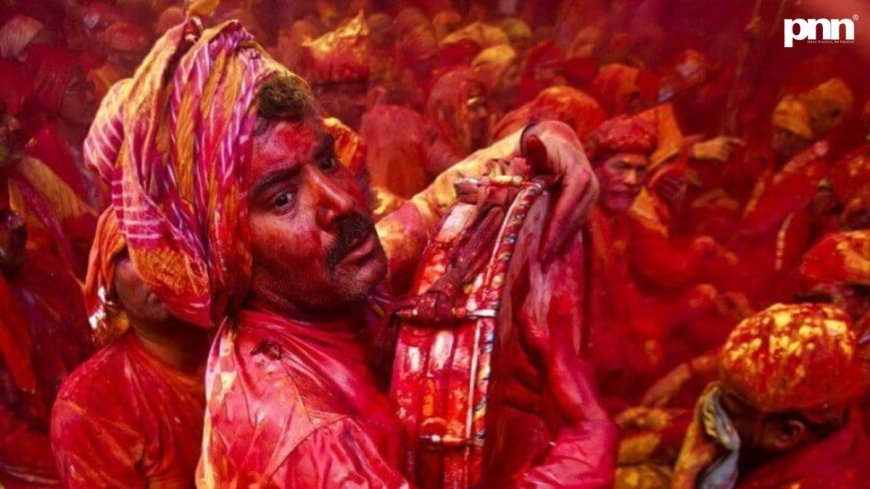

New Delhi [India], January 24: The Braj 40-day Holi celebrations are back, louder and longer than anywhere else on the planet. This is not a festival sprint. It’s a cultural marathon, and Braj runs it with swagger.
Holi, But Make It Forty Days
Even in most parts of India, Holi comes, bursts into colour, and leaves within two days. In Braj, Holi settles in. For forty days.
The 40-day-long Braj Holi, officially inaugurated with Rangotsav 2026 on Basant Panchami, unfolds across Mathura, Vrindavan, Barsana, and Nandgaon. This is not a modern reinvention or a tourism ploy. It is a living tradition rooted in the life and legends of Lord Krishna.
While the rest of the nation prepares for a single day of riotous celebration, Braj builds a full calendar of ritual, music, theatre, and carefully ordered mayhem. The message is simple. If you are going to celebrate Holi, do it properly.
Why Braj Does Not Celebrate Normal Festivals
Braj is not an ordinary region. It is Krishna’s playground, classroom, and stage. Festivals here follow that logic. They are immersive, layered, and unapologetically dramatic.
The 40-day format comes from centuries-old temple traditions where Holi is not a date but a season. Week after week, temples conduct daily rituals, devotional singing, and symbolic use of colour. Each town adds its own accent. Barsana brings spectacle. Vrindavan brings devotion. Mathura brings scale.
This is not cultural nostalgia. It is cultural consistency.
Rangotsav 2026: Where Faith Meets Colour
Rangotsav sets the tone from day one. The season opens with gulal offerings, floral Holi, and kirtans that stretch for hours. Priests lead the rituals. Devotees follow rhythm, not the clock.
Unlike commercial Holi events, colour is not the core message here. Every ritual marks a chapter in Krishna’s life. Songs are not background noise. They are theology set to rhythm.
Local administrations and temple committees now coordinate events to manage crowds that include international visitors, photographers, scholars, and pilgrims. The balance is delicate. For now, it is holding.
Barsana and Nandgaon: The Theatre of Lathmar Holi
If Holi had a headline act, Lathmar Holi would own it.
In Barsana and Nandgaon, the festival shifts gears. Women wield sticks. Men arrive with shields. No one pretends this is symbolic. It is a ritualised confrontation rooted in folklore, where Krishna and his friends tease Radha and her companions.
This is not chaos. It is choreography with attitude.
Security arrangements are tight. Entry points are regulated. Medical teams remain on standby. The administration understands one thing clearly. Tradition survives only when safety does.
Crowds swell into the lakhs. The cameras roll. But the soul remains local. This is a village festival at heart, even when the world insists on watching.
Mathura and Vrindavan: Tej in Overdrive
Barsana draws headlines, but Mathura and Vrindavan carry the spiritual weight of the 40 days of Holi in Braj.
In Vrindavan, temples like Banke Bihari attract massive gatherings. Holi here is less confrontational and more immersive. Flower petals replace powder. Music replaces noise. Time slows down.
Mathura, the birthplace of Krishna, blends both worlds. Temple rituals, processions, and public celebrations unfold simultaneously. The scale is vast, but the spirit is ancient.
This is where faith shows discipline. No shortcuts. No dilution.
Culture, Crowd Control, and Civic Planning
Let’s be blunt. A festival of this size can spiral. Braj has learned from experience and adapted.
Authorities deploy multi-layered crowd management systems. CCTV surveillance, barricading, regulated entry zones, and coordinated transport plans are now standard. Medical camps and emergency response teams operate throughout the season.
This is not flashy governance. It is functional competence.
The challenge is obvious. Preserve tradition without turning it into a stampede. So far, the administration has treated culture like infrastructure. That mindset matters.
Tourism Without Dilution
The 40 days of Holi in Braj have secured a permanent place on the global cultural calendar. Visitors arrive from Europe, Southeast Asia, and across India. Hotels are booked weeks in advance. Local economies benefit.
Yet the region has resisted turning the festival into a ticketed spectacle. No VIP enclosures. No exclusive colour zones. Everyone participates on equal terms.
That restraint is rare. And valuable.
Tourism boards promote schedules and routes, not “experiences.” The difference is subtle but important. Holi here is not a product. It is a practice.
Why This Festival Still Matters
In an age where festivals are rushed, and content is faster still, Braj feels almost rebellious.
A forty-day Holi is a statement. It says culture does not need compression to stay relevant. It says faith can coexist with administration. It says tradition does not panic when modernity shows up.
The 40-day Holi celebrations in Braj are not loud because they want attention. They are loud because they have earned it.
What's Your Reaction?